By Nmesomachi Onyeonoru, Peculiar Owoyomi
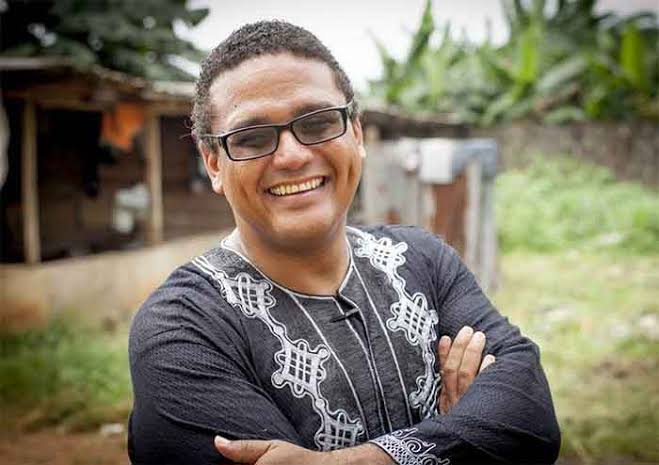
Kola Masha is a Nigerian social entrepreneur renowned for his transformative work in agriculture. He founded his firm in 2010 to bring jobs and stability to his home country and worldwide. Inspired by his U.S. grandfather, a small farm holder who was able to get out of poverty in South Dakota through the power of cooperatives, Masha established a similar model in Nigeria which he called “Babban Gona”.
As the founder of Babban Gona (which means Great Farm in Hausa), he has been leading a great revolution in Nigeria’s agricultural sector. His heroism dates back to 2012. Babban Gona has been working with smallholder farmers especially in Northern Nigeria to improve their farming practices, boost their incomes, and foster unity among different ethnic groups.
Statistically, half of Babban Gonas members are youths, who are making legitimate money through farming. Some of the youths were once members of insurgent groups. One such person is Saminu, who was once a rebel. He is now earning clean money thanks to his membership of Babban Gonas.
Babban Gona became the first for-profit social enterprise to receive the prestigious Skill Award for Social Entrepreneurship. Masha has been an active contributor to global discussions on agriculture and youth employment sharing insights through platforms like the World Economic Forum and TED Talks.
After his studies at MIT and Harvard, and working in leadership positions with top organizations, Masha decided to return to Nigeria in 2007 to contribute his quota to the development of Nigeria. Later on, he moved to a small town in Northern Nigeria that has experienced insurgencies and bombings to unlock the power of agriculture in addressing unemployment.
Masha believes that farming has the potential to create jobs and draw millions of young people into the agricultural sector. This is all thanks to the high demand for labour and low skill requirements for agriculture related jobs.
Masha has understood that farming in Nigeria is a deeply cultural, and tribal asset passed down through families and communities. He also saw the need to support these farmers with better tools, access to markets, and finance.
At the heart of Babban Gonas work is a simple but powerful idea; Trust Groups. These are small groups of farmers who work together, to share knowledge, and support one another by bringing together farmers from different tribes and backgrounds. They naturally break down ethnic barriers, replacing them with collaboration and mutual respect. It’s a return to the old ways of farming as a community, but with the added benefit of modern expertise.
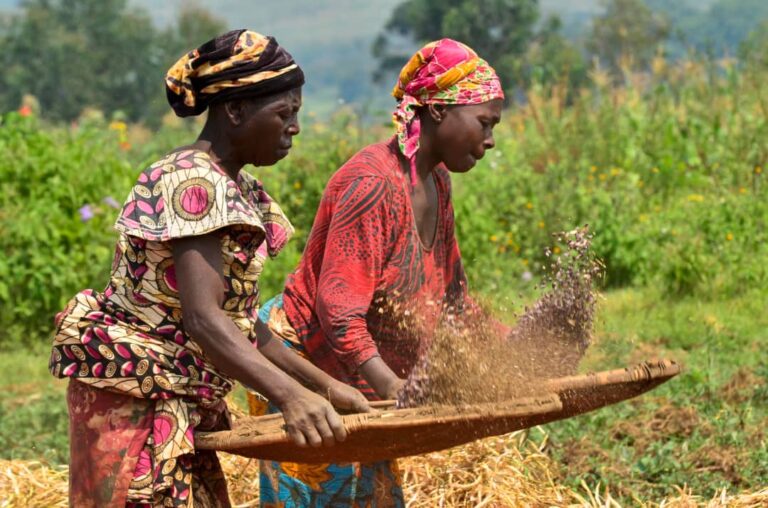
Farmers in the programme are trained in sustainable agriculture given quality seeds, fertilizers, and connected to buyers who offer better prices for their produce. This approach has not only increased productivity but also helped farmers earn more, feed their families better and invest back into their communities.
Since its launch, Babban Gona has empowered over 110,000 farmers across states like Kaduna, Kano, Katsina, and Jigawa. Many of these farmers come from different tribal groups like the Hausas, Fulanis, Kanuris and others. Under Babban Gona, they work side by side, learning from each other and building trust across ethnic lines.
Kola Masha’s work is now being recognized both locally and internationally. His model has been praised for tackling food insecurity, reducing rural poverty and creating jobs, especially for young people.
For Masha, our strength is in our land and our people. When we farm together, we grow together. Through Babban Gona, Kola Masha is proving that farming is not just about crops it’s about community, culture, and creating a better Nigeria for everyone.