By Michael Deborah Chioma
Can religious symbols and clothing be solely expressions of faith? Or do they inevitably carry broader societal implications? The interactions between religions and clothing are deeply intertwined, reflecting a myriad of cultural, spiritual and social dimensions.
Nigeria is a country of deep religious diversity, with Christianity, Islam and indigenous beliefs playing a significant role in shaping not just spiritual practices but also fashion choices. Over the years, religious fashion in Nigeria has evolved, blending tradition with modernity while still maintaining its cultural and spiritual significance.
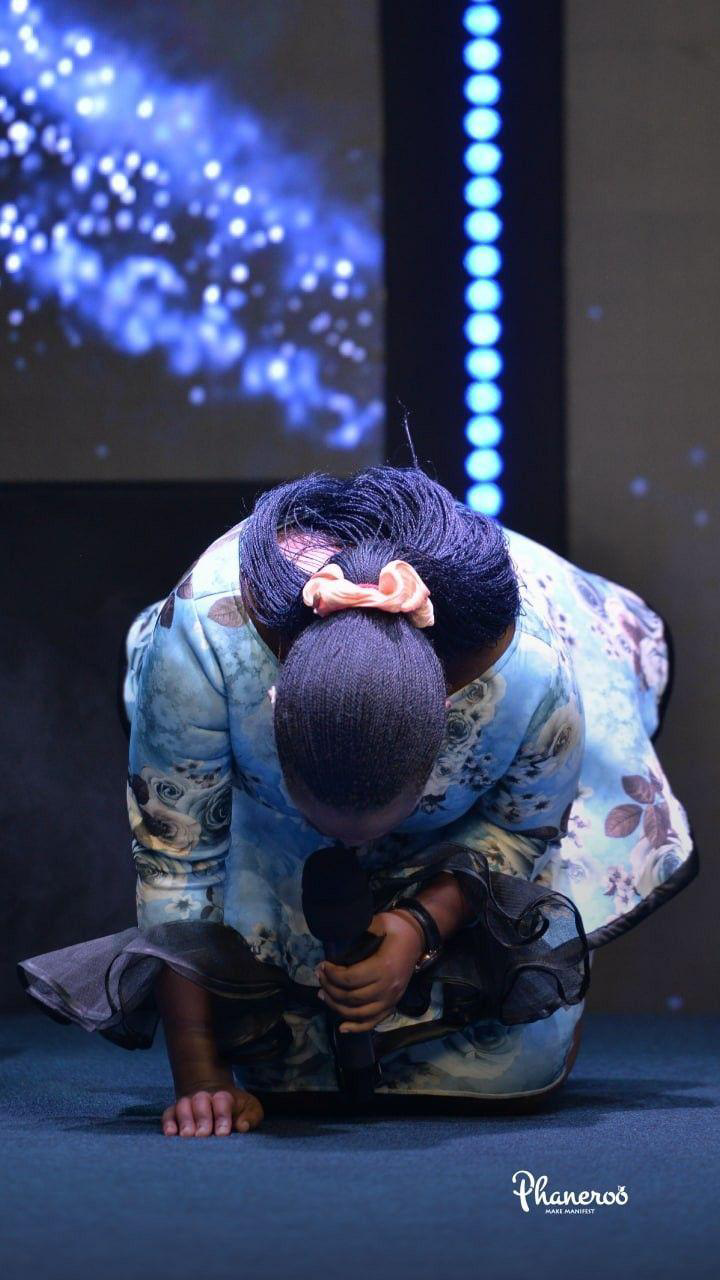
From elaborate church hats to flowing hijabs and traditional priestly robes, religious attire reflects identity, devotion and heritage. Many religions influence fashion by prescribing modest dress codes. These codes shape the design and production of clothing, encouraging the creation of garments that align with religious principles.
The rise of modest fashion is the most evident issue in the interactions between Fashion and Religions. Modest fashion brands cater to Muslim women seeking stylish yet modest clothing, adhering to Islamic guidelines. Religious symbols and motifs like Crosses, the Star of David and other religious symbols are frequently incorporated into jewelry, clothing and accessories, blending spiritual significance with aesthetic appeal.
Also, religious festivals and rituals dictate specific clothing types and fashion styles.
Let us consider the two major religions prevalent in Nigeria: Christianity and Islam. The two religions are known for their emphasis on clothing morality.
Morality is considered intertwined with dress styles especially in the recent past and since religion is centered on morality, it invariably plays a role on how people dress.
These two religions contain doctrines and clearly stated instructions and laws that talk about how its members are supposed to dress. Their women even go as far as frequently putting on attire that will cover them from head to toe.
During Ramadan, Muslims may choose more conservative attire, while during Diwali, Hindus often wear new, colorful clothes. These periods can influence fashion trends and retail cycles.
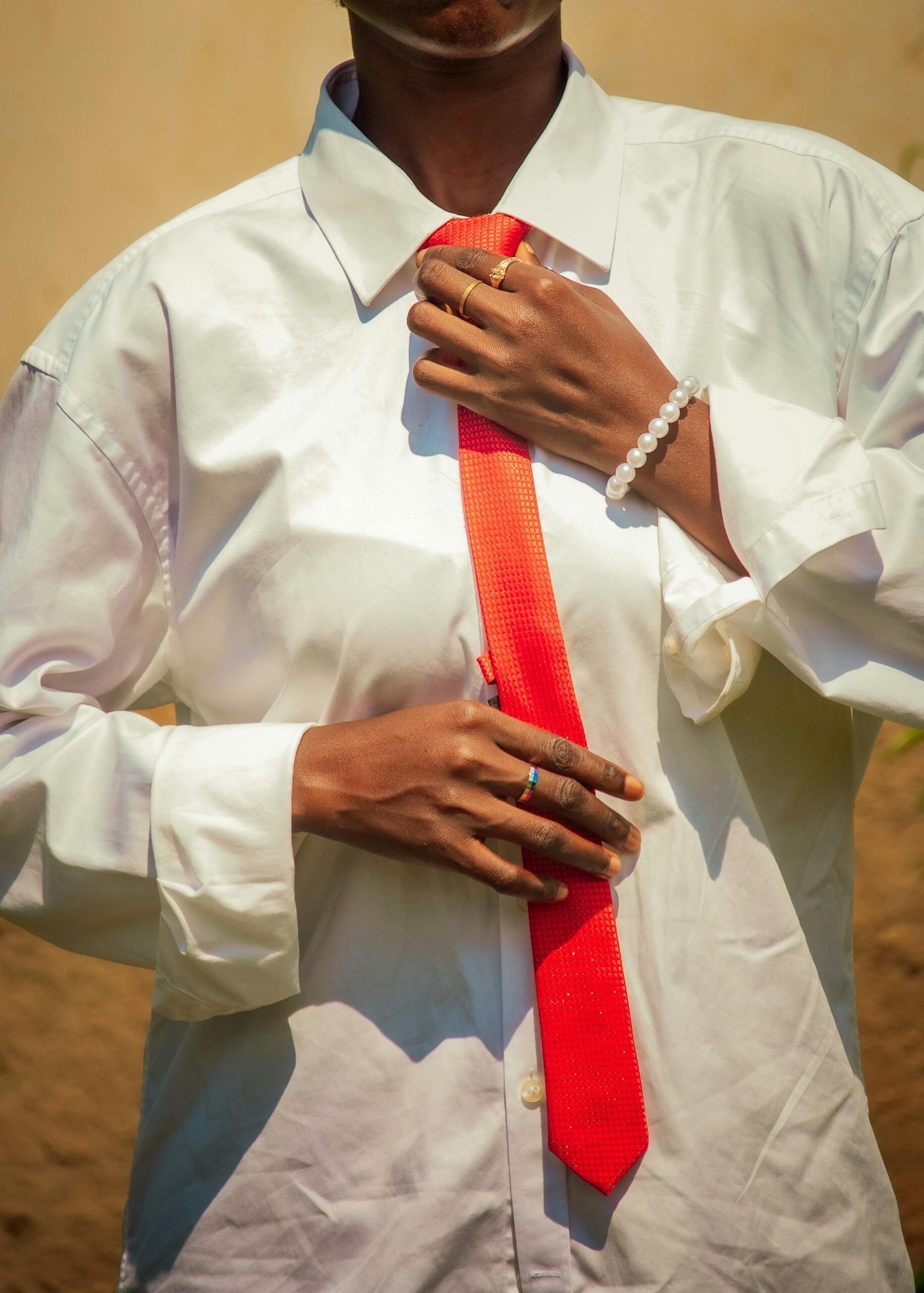
Our fashion sense is a major indicator of our belief and how committed we are to its tenets and system. Fashion is dynamic but a people’s culture cannot completely change so despite the different acculturation by the GenZ’s religious fashion strives to stay true to its doctrines.