By Peacelove Badekale
Art and culture are often celebrated for their beauty, creativity, and historical significance, but their impact on health is just as profound. From traditional healing practices to therapeutic art forms, culture and creativity play a vital role in physical, mental and emotional well-being. Across the world, people have used artistic and cultural expressions not only to communicate but also to heal, cope with stress, and promote overall wellness.
Art has long been recognized as a powerful tool for healing. Art therapy, which involves creative activities such as painting, music, dance, and drama, is widely used to help individuals process emotions, manage stress, and improve mental health. Studies show that engaging in artistic activities can reduce anxiety, lower cortisol (the stress hormone), and enhance overall emotional wellbeing.
For individuals struggling with depression, PTSD or trauma, artistic expression offers a safe way to communicate feelings that may be difficult to put into words. Music therapy, for example, has been used to help stroke patients regain speech and memory, while painting and drawing have been effective in treating children with autism or emotional disorders.
In hospitals, colorful artwork and music are incorporated into healing spaces to create a soothing environment. Studies have shown that patients recover faster in spaces enriched with art, as it reduces stress and promotes relaxation. The presence of murals, sculptures and calming sounds in healthcare facilities is not just decorative but serves as a psychological aid in recovery.
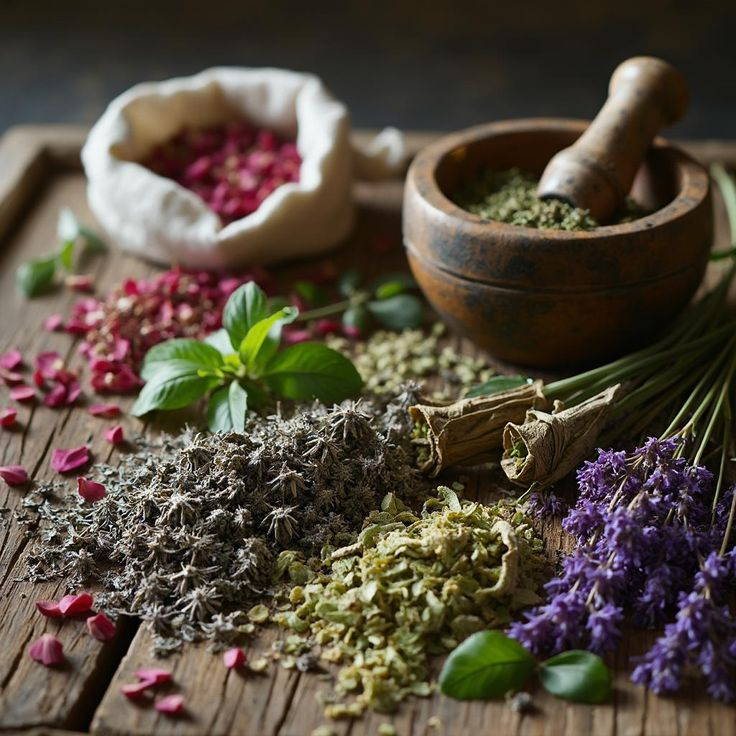
Culture has always played a crucial role in health and wellness. Many traditional healing practices, rooted in culture, have stood the test of time and continue to benefit modern healthcare. Herbal medicine, acupuncture, meditation and spiritual healing are examples of cultural health practices that have been scientifically validated for their effectiveness.
In Africa, traditional healers use plant-based remedies to treat ailments ranging from malaria to digestive disorders. In Asia, yoga and Tai Chi, both cultural practices, are widely recognized for their ability to improve flexibility, reduce stress, and enhance mental clarity. Indigenous communities across the world incorporate rituals, drumming, and storytelling as a means of emotional and spiritual healing.
Cultural diets also play a role in health. The Mediterranean diet, which includes fresh vegetables, olive oil and fish, is linked to heart health, while traditional African diets rich in whole grains and vegetables promote digestive wellness. Many cultures emphasize the importance of communal eating, which not only nourishes the body but also strengthens social bonds, reducing loneliness and mental stress.
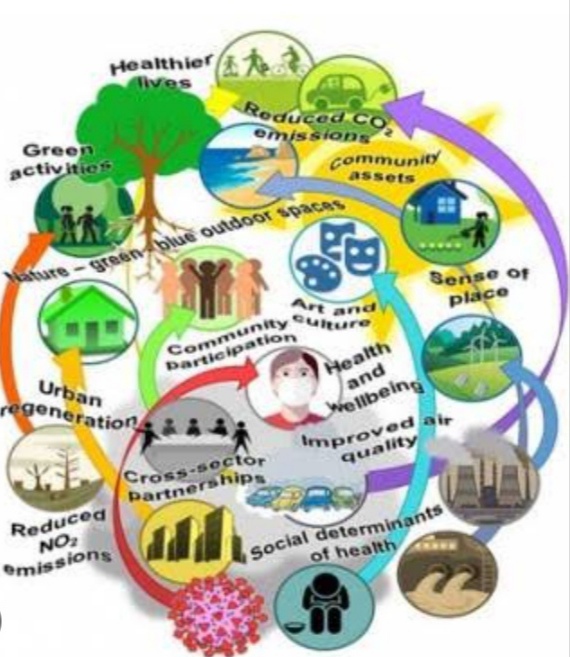
Beyond physical health, culture provides a sense of belonging and identity, which is essential for mental well-being. People who engage with their cultural heritage, whether through dance, music, festivals or storytelling, often experience greater happiness and emotional stability.
Participating in cultural activities fosters social connections, reducing feelings of isolation and loneliness. In Nigeria, for example, traditional festivals like the Osun-Osogbo Festival or the Argungu Fishing Festival bring communities together, strengthening social ties and promoting collective joy. Dance and drumming, common in African and Caribbean cultures, have been shown to release endorphins, the body’s natural “feel-good” chemicals, which help reduce stress and boost mood.
For the elderly, cultural activities such as storytelling and folk music help in memory retention and cognitive function, reducing the risk of dementia. Engaging in cultural heritage gives a sense of purpose, helping individuals stay mentally active and emotionally fulfilled.
Despite their immense benefits, art and culture are often overlooked in health policies and medical treatments. Governments and healthcare institutions need to recognize the therapeutic power of creative and cultural expressions. Hospitals should incorporate more art-based healing methods as well as incorporate cultural traditions as part of holistic healthcare systems.
Educational institutions can also play a role by promoting creative arts in schools, ensuring that young people develop healthy emotional outlets. Cultural festivals and artistic programs should be encouraged in communities to promote social well-being and unity.
Art and culture are not just entertainment or heritage, they are essential to human health and happiness. Whether through a painting that calms the mind, a dance that energizes the body or a cultural tradition that strengthens social bonds, they shape our wellbeing in ways we often overlook. By embracing the healing power of art and culture, societies can create healthier, happier communities where creativity and tradition are not just celebrated but also used as tools for wellness.