By Nezianya Jacinta Chidinma
Have you ever felt an invisible presence in the room, heard a whisper in your heart or narrowly escaped disaster with no explanation? Many believe those moments are not coincidences but signs that angels walk among us.
From ancient scriptures to modern pop culture, the idea of celestial guardians watching over humanity has persisted for centuries. The word “angel” comes from the Greek angelos, meaning “messenger”. A being sent not just to deliver messages, but to protect, guide and intervene when we least expect it.
Angels, according to various beliefs, can appear in many forms, such as: a human stranger with perfect timing, a glowing light in a moment of darkness or sometimes, nothing visible at all. Their presence is often felt through the miracles they leave behind: averted accidents, sudden healings, unexplained outburst of joy or peace.
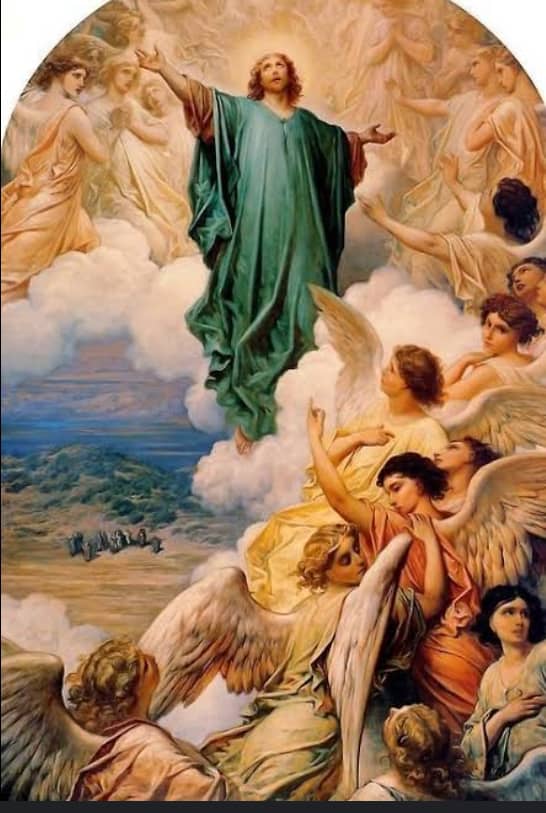
During Christmas holidays, the image of angels are everywhere, on trees, cards, sweaters decorations … but their influence stretches far beyond Christianity. In Islam, angels are said to be made of light. In Christianity, they are created by God and placed in a divine hierarchy: archangels, seraphim, cherubim and more. Early religious texts depicted them as genderless but later Christian traditions envisioned them as tall, robed men with soft features and massive white wings.
Though rooted in religion, angels have long transcended spiritual boundaries. Today, they are embraced by people from all walks of life, believers, skeptics, New Age seekers and even those who consider themselves spiritual but not religious. The rise in angel themed books, podcasts and inspirational stories reflects this growing fascination. Titles like Where Angels Tread and Angels: Who They Are and How They Help fill shelves, offering comfort and connection to something greater than ourselves.
TV shows like Touched by an Angel and Highway to Heaven brought these celestial beings to life on screen, portraying them as compassionate, wise guides sent to help people navigate life’s toughest moments. These portrayals helped cement angels as symbols of hope, especially in times of grief, illness or despair.
Interestingly, angels also appear in stories of near death experiences especially among those who already believe. In more fringe theories, some even claim that so called alien encounters may actually be angelic in disguise. Erich von Däniken, a well-known but controversial author, famously suggested that biblical figures like Abraham and Joseph didn’t meet angels, but extraterrestrials, a bold theory that continues to spark debate.
The most widely recognized angels today come from Christian theology, which was heavily influenced by ancient Hebrew beliefs. The Catholic Church developed a rich and detailed hierarchy of angelic beings, assigning names, roles and even missions to nearly half a million divine figures.
So, are angels real? For many, the answer lies not in proof but in presence. Whether viewed through the lens of faith, folklore, or feeling, angels continue to inspire wonder. Maybe they’re not winged strangers in the clouds but quiet whispers in the chaos reminding us that we’re never truly alone.