By Amadife Uche, Anayo Chinonyelum
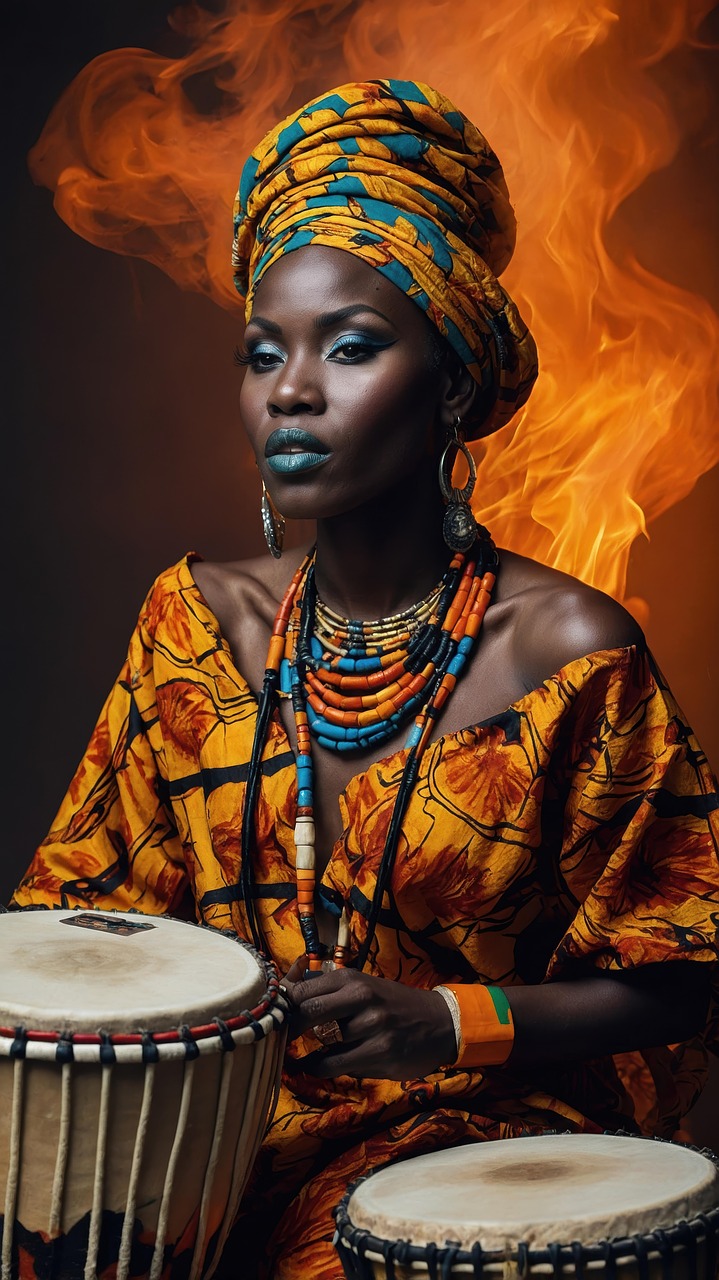
Fashion holds a profound connection to culture. It is more than just clothing; it is a visual language that speaks volumes about our identity, values, and beliefs. From the delicate fabrics of the isi-agu and akwa ocha to the beautiful colors and patterns of the asoke, from the intricate embroidery of a traditional Indian sari to the bold prints of a modern African dashiki, fashion serves as a silent ambassador, conveying the rich tapestry of our cultural heritage to the world.
The relationship between fashion and culture is symbiotic. Designers draw inspiration from their surroundings, incorporating traditional motifs, colors, and textures into their creations. This can be seen in the vibrant hues and geometric patterns found in the work of African designers or the delicate floral embroidery and flowing silhouettes that characterize Japanese fashion. By embracing their heritage, these designers not only create beautiful garments but also contribute to the preservation and celebration of their cultures. Many talented designers incorporate culture into fashion. Some notable ones include:
Kenneth Ize is known for using hand-woven textiles and incorporating traditional Nigerian patterns into his designs. He is a prominent voice in the fashion world, actively emphasizing the importance of cultural heritage and craftsmanship.
Duro Olowu is renowned for his vibrant use of color and pattern, drawing inspiration from African textiles and traditional dress. He is also a champion of cultural diversity in fashion.
Lisa Folawiyo is another great example. She is recognized for using bold colors and prints inspired by traditional Yoruba textiles. She advocates for supporting local artisans and preserving Nigerian culture.
Virgil Abloh, the late founder of Off-White, often highlighted how street culture and art influenced his designs. He believed that fashion should reflect the world around us.
Stella McCartney, an English designer, focuses on sustainability and its relationship with culture and ethics.
Ade Bakare is known for his bold and dramatic designs that often incorporate traditional Yoruba elements. He is a vocal advocate for African fashion and has spoken about the importance of celebrating African heritage.
Tiffany Amber, a popular Nigerian designer, integrates traditional Nigerian textiles and patterns into her designs. She is also recognized for her use of vibrant colors and bold silhouettes.
Mai Atafo is a menswear designer who incorporates traditional Nigerian fabrics and techniques into his designs. He is known for his modern tailoring and focus on creating stylish and wearable pieces.
Jewel by Lisa, a brand that creates contemporary designs with a strong focus on African heritage, uses traditional Nigerian fabrics and techniques to craft modern and stylish pieces.
Orange Culture is a brand known for its bold and colorful designs that often incorporate traditional Nigerian patterns. They also champion diversity and inclusivity in fashion.
These are just a few examples. Many other talented designers and fashion brands use their work to celebrate and showcase culture and tradition.
Fashion transcends the boundaries of language and geography, acting as a bridge between different cultures. When we admire a garment from a different culture, we open ourselves to new perspectives and understanding. For example, the popularity of kimono-inspired clothing in Western fashion demonstrates a growing appreciation for Japanese aesthetics and traditions. This cross-cultural exchange fosters a sense of global interconnectedness and challenges stereotypes.
Beyond aesthetics, fashion plays a crucial role in diplomacy and cultural exchange. Leaders and diplomats often use fashion to convey messages of respect and understanding. The choice of a traditional garment during an official visit can signal a commitment to preserving cultural heritage and fostering diplomatic relations.
Fashion can also serve as a tool for social change. From the feminist movement’s embrace of pantsuits to the contemporary rise of sustainable fashion, clothing has been used to challenge societal norms and promote positive change. By consciously choosing what we wear, we can express our values and advocate for causes we believe in.
In conclusion, fashion is much more than a superficial pursuit. It is a powerful force that reflects and shapes our cultural identities. By understanding the language of fashion, we can gain deeper insights into the diversity and richness of human cultures and contribute to a more inclusive and interconnected world.