By Okeke Onyinyechi Gift
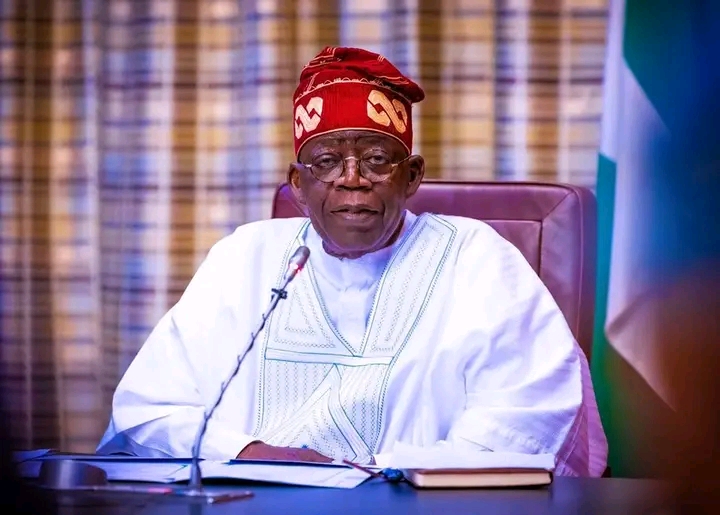
Nigeria, Africa’s most populous country and one of its largest economies, remains engulfed in political turmoil in 2025, as power struggles, governance issues, and deep-rooted conflicts challenge its path toward stability. The ongoing crisis in Rivers State, where President Bola Tinubu declared a six-month state of emergency, is a glaring example of how political unrest continues to undermine the nation’s progress.
At the heart of the crisis is the power tussle between Rivers State Governor Siminalayi Fubara and his predecessor, Nyesom Wike, who now serves as a minister and a key ally of President Tinubu. The dispute has escalated into political and ethnic tensions, with opposition parties accusing the president of partisanship and unconstitutional actions. “This is a clear case of political vendetta,” said a spokesperson for the opposition party. “The president’s action is a threat to democracy and the rule of law.”
The situation in Rivers State is not an isolated event but part of a broader pattern of political instability plaguing Nigeria. Just last month, lawmakers clashed over President Tinubu’s proposal to double the value-added tax (VAT) rate to 15% over six years. While the plan was intended to boost government revenue and address disparities in fund allocation across the 36 states, it faced fierce resistance from legislators who argued it would exacerbate economic hardship for ordinary citizens. The rejection of the VAT proposal highlights the deep-seated divisions within the political class and the difficulty of implementing reforms in a highly polarized environment.
Adding to the chaos, Nigeria’s fragile oil sector has been thrust into the spotlight once again. The Dangote refinery’s temporary halt on gasoline sales in naira due to mismatches between international crude purchases and domestic sales has raised questions about the government’s management of the industry. This development exposes the lingering challenges of economic mismanagement and the vulnerability of a sector that should serve as the backbone of the nation’s economy.
Furthermore, political unrest in regions like the Northwest continues to escalate, as banditry and violent kidnappings shake the foundation of governance. In one alarming instance this year, hundreds of citizens were abducted across Kaduna State, including schoolchildren, sending shockwaves through communities. The inability of security forces to effectively address these acts has further eroded public confidence in the government’s capacity to maintain law and order.
Ethnic and political tensions in the Southeast add another layer of complexity to Nigeria’s unstable political climate. Protests and agitations for autonomy, amplified by groups such as the Indigenous People of Biafra (IPOB), have gained traction in 2025, fueled by a mix of grievances over marginalization and perceived injustices in governance. The trial of IPOB leader Nnamdi Kanu on terrorism charges continues to be a flashpoint, with supporters calling for his release while decrying the government’s response as repressive.
As Nigeria confronts these crises, the nation’s political elite face mounting pressure to put aside personal interests and work toward unity and reform. “The time for politics is over,” said a Nigerian businessman. “It’s time for our leaders to prioritize the welfare of the people and restore stability to this country.”
The stakes could not be higher. Nigeria’s political quagmire poses a significant threat not only to national security but also to its economic potential and global standing. Bold leadership, transparent governance, and inclusive dialogue are essential to breaking the cycle of instability and charting a path toward prosperity. The question remains: can Nigeria, the giant of Africa, rise above the political strife and fulfill its promise as a beacon of progress in Africa? The answer lies in the choices made by its leaders and citizens in the face of adversity.