By Ndulue Kosisochukwu Divine
Art speaks a universal language, but religious art carries an even deeper message. It transcends time, connecting faith to culture and tradition, shaping how societies remember their past and envision their future.
From ancient temple carvings to modern digital expressions, religious art remains a powerful force in defining identities and preserving heritage.
Religious art also known as sacred art is a visual representation of religious ideologies and their relationship with humanity. It serves as a medium to depict the morals of various religions and recount stories of ancient events. Religious art holds deep significance across different faiths and cultures.
For example in Judaism, Torah scrolls, menorahs and other symbols represent Jewish history, faith and traditions. Generally religious art functions as a powerful tool for visual expression, religious education and spiritual connection playing a vital role in illustrating beliefs, teaching stories and fostering a sense of community and faith.
The relationship between religious art, cultural identity and tradition is rooted in spirituality. These artistic expressions narrate stories giving humans a sense of identity and connection to the divine. Although skepticism about God’s existence has grown in recent times, nature itself reflects divine artistry. According to Christianity God is seen as the ultimate creator fashioning mankind in His image and likeness. Traditions shape various aspects of life including food beliefs, aesthetics and laws with religious art playing a significant role in guiding communities and preserving their historical narratives.
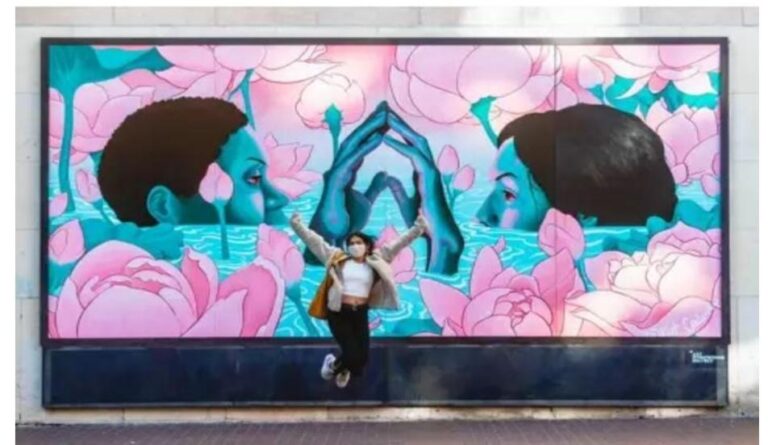
One of the key roles of religious art is symbolism. The cross in Christianity for instance serves as a reminder of Jesus’ sacrifice and the call to repentance. In Islam the crescent helps determine times and seasons. In Buddhism the lotus flower symbolizes purity, enlightenment and spiritual awakening illustrating the journey from suffering to liberation. These symbols carry deep meanings that define religious perspectives and influence cultural identity.
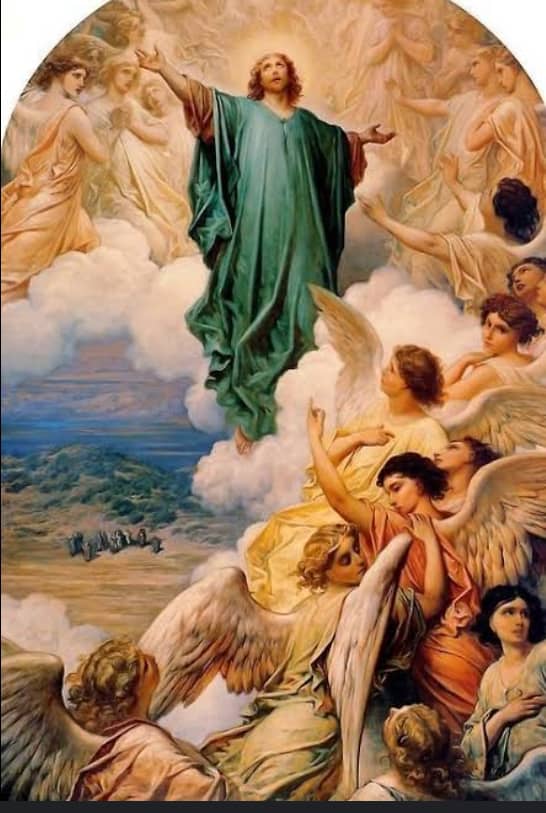
Religious paintings, sculptures and architecture reinforce moral and ethical values. Historically, religious art has been used to inspire devotion and even as a means of conversion. Medieval Christian art for example focused on biblical narratives and iconography to promote faith and Christian teachings. Today architectural wonders like the Egyptian pyramids remain shrouded in mystery with debates on whether they were built by human ingenuity or supernatural influence. Such structures showcase the power of religious art in preserving history and shaping societal beliefs.
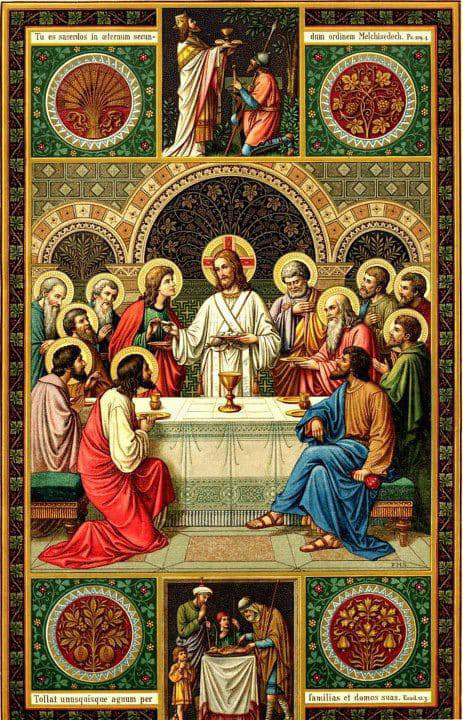
Religious art helps differentiate places of worship. Churches, mosques and temples each have unique structures, symbols and sculptures that make them distinct. Festivals and religious ceremonies also incorporate religious art such as the Catholic breaking of bread during Communion, the Igbo New Yam Festival honoring their chi for a bountiful harvest and the Hindu festival Durga Puja. These artistic expressions reinforce cultural identity and serve as markers of faith-based traditions.
Religious art ensures historical continuity. Ancient Egyptian temple carvings for example narrate stories of gods and pharaohs connecting generations through visual storytelling. Many religious ceremonies such as the Catholic All Saints’ Day and the Buddhist Wesak festival incorporate art to honor spiritual figures and historical events. Stained glass windows in cathedrals visually depict biblical stories ensuring that religious teachings are passed down through generations.
Contemporary religious artists use their craft to address social and political issues such as poverty inequality and corruption. Artists like Chris Ofili and Lyuba Yatskiv create thought-provoking works that critique societal ills through a religious lens. Religious art extends beyond faith reflecting life’s realities and fostering dialogue on ethical concerns.
Interfaith and cross-cultural influences have also shaped artistic styles. Islamic geometric patterns for instance have influenced European Renaissance art. The intricate floral and arabesque designs found in Islamic art appear in Renaissance textiles and architecture. Additionally, the use of lapis lazuli for vibrant blue pigments in paintings is believed to have been influenced by Islamic artistic traditions.
In the modern era, technology has globalized religious art making it more accessible. Online exhibitions and digital religious paintings allow people to experience these works without being physically present. Social media promotions have further increased visibility enabling religious art to reach audiences across continents and spread its spiritual and cultural messages.
Religious art has played a crucial role in shaping cultural identity and preserving traditions for centuries. It reflects the diversity of human creativity and serves as a bridge between faith, culture, tradition and history. As society evolves religious art continues to adapt while maintaining its profound spiritual and cultural significance.